
"civil war"
500 article(s) found

An introduction to the flavor of the manor in El Salvador, the smallest coffee-producing country in Central America.
The civil war in 1980 caused government forces and guerrillas to deal a blow to the coffee industry, as well as natural disasters, as well as the collapse in international raw bean prices between 1986 and 1987, all of which adversely affected the coffee industry. in fact, 80 years ago, the foreign exchange earned by coffee also assisted the country's clothing industry and contributed to the Ministry of Light Industry. And the marketing and export controlled by the government are even more disadvantageous to the whole industry.

Introduction to the flavor and taste characteristics of El Salvador Himalayan coffee manor with fragrant and mild taste
Don't underestimate El Salvador's coffee production. In its heyday, it was once the fourth largest coffee producer in the world, but decades of civil war almost dragged down the coffee industry. fortunately, the war has stopped in recent years, and the coffee industry has come back to life. The only benefit that the civil war brought to the country of El Salvador was that the farmers left their fields barren and failed to catch up with the most popular Katimo sun-exposed cultivation train in the past two decades.

A brief introduction to the description characteristics of flavor and aroma of natural hybrid El Mercedes Manor Coffee
Natural and man-made disasters and ill-fated fate can be best used to describe the challenges facing the coffee industry in El Salvador. Despite getting rid of the haze of war, El Salvador's coffee production still faces challenges from time to time, including: 1998, hurricanes; 2001, earthquake; 2002, volcanic eruption; 2012, leaf rust

Introduction to the flavor and taste of chocolate-flavored coffee from Tianyi Manor in Nicaragua
Nicaragua filed an application to the International Court of Justice on April 9, 1984, accusing both sides of the Nicaraguan civil war that the United States Government instructed United States soldiers and nationals of Latin American countries to plant mines in Nicaraguan ports, destroy Nicaraguan oil facilities and naval bases, violate Nicaragua's airspace and sovereignty, and organize and finance military and paramilitary operations such as anti-government groups in Nicaragua.

The flavor and taste of Mexican Aldura coffee with the smell of desert.
The Teotihuacan civilization (Teotihuacn) began around 200 BC, about in the middle of what is now Mexico, and was born after the demise of the Olmec civilization, about the same time as the Mayan civilization. the Teotihuacan built a city with a population of about 50, 000 between the first year of AD and 150, making it the earliest city in the entire American region.

A brief introduction to the flavor and taste of the manor in El Salvador, the smallest coffee-producing country in Central America.
The civil war in 1980 caused government forces and guerrillas to deal a blow to the coffee industry, as well as natural disasters, as well as the collapse in international raw bean prices between 1986 and 1987, all of which adversely affected the coffee industry. in fact, 80 years ago, the foreign exchange earned by coffee also assisted the country's clothing industry and contributed to the Ministry of Light Industry. And the marketing and export controlled by the government are even more disadvantageous to the whole industry.

El Salvador Coffee Flavor Taste Manor characteristics of Mercedes Manor
In 1742, coffee was introduced to El Salvador from the Caribbean (1740). In the mid-19th century, El Salvador's original export pillar Indigo (one of the dyes) received a gradual decline in the development of synthetic dyes in Europe, and coffee gradually became the main export product under the guidance of the government. In 1856, the first 693 bags of coffee beans were shipped to Europe. Until the second World University.

Introduction to the flavor and taste of Salvadoran coffee beans
The lubricated Salvadoran coffee has an excellent taste and is as smooth as cream chocolate.
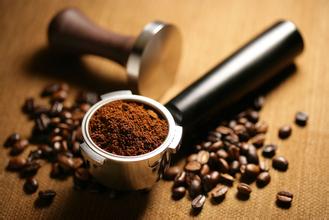
Description of characteristics and Flavor of Salvadoran Coffee introduction to the Origin of planting Environment and Culture
Don't underestimate El Salvador's coffee production. In its heyday, it was once the fourth largest coffee producer in the world, but decades of civil war almost dragged down the coffee industry. fortunately, the war has stopped in recent years, and the coffee industry has come back to life. The only benefit that the civil war brought to the country of El Salvador was that the farmers left their fields barren and failed to catch up with the most popular Katimo sun-exposed cultivation train in the past two decades.

Mexican Coffee Flavor with smooth taste introduction to boutique coffee beans in manor production area
The Teotihuacan civilization (Teotihuacn) began around 200 BC, about in the middle of what is now Mexico, and was born after the demise of the Olmec civilization, about the same time as the Mayan civilization. the Teotihuacan built a city with a population of about 50, 000 between the first year of AD and 150, making it the earliest city in the entire American region.

A brief introduction to the market price of Mexican boutique coffee beans with special and elegant taste
Tequila is a strong wine, the Mexican coffee made by adding this wine is very good, if you have enough courage, you might as well give it a try. Tequila Mexican coffee and non-alcoholic Mexican coffee is basically true, but first pour a small cup of tequila at the bottom of the cup, followed by milk and coffee, preferably decorated with cream and cinnamon beans: Mexico Aldu Mara. Mouth

The best coffee producing area in Uganda the Ruwensori Mountains in the north and west of the country
The civil war almost destroyed coffee production. Two decades of disastrous civil war in southern Sudan has claimed millions of lives and caused untold damage to rural areas, including the coffee industry. Robbins coffee is now grown in the south as in the past, while Arabica coffee, which used to be wild, is grown in the north and east of the country. In history

Introduction to the description characteristics of varieties and flavors in El Salvador's boutique coffee bean manor
When the reformist revolutionary junta came to power in 1979, both the far right and the far left were dissatisfied with the government, and the conflict broke out and turned into a civil war. In 1980, a formal civil war broke out in El Salvador, confronting the United States-backed government and the Cuban-backed Faradomatti National Liberation Front. On January 16, 1992, the Marty Front signed the Peace Agreement with the government, Thrall.

Introduction to the flavor and taste of Salvadoran coffee in Mercedes Manor
The diet of Salvadorans is developed on the basis of Spanish and Indian cooking. Urban residents mainly eat western food, the staple food is rice, beans, corn, milk, fruit, etc., popular urban and rural drinks are cola, beer, coffee and so on. Religion more than 90% of Salvadoran residents are Catholic, a branch of Christianity that takes the Vatican as its own

El Salvador Coffee Manor introduces the characteristics of El Salvador Coffee Mercedes Manor
A brief History of Coffee production in 1742, coffee was introduced to El Salvador from the Caribbean (1740). In the mid-19th century, El Salvador's original export pillar Indigo (one of the dyes) received a gradual decline in the development of synthetic dyes in Europe, and coffee gradually became the main export product under the guidance of the government. In 1856, the first 693 bags of coffee beans were shipped to Europe. all long

Rich fruity Costa Rican Goddess Manor Coffee Flavor Taste Characteristics Introduction to the region
In the 1948 general election, J. M. H. Figueres Ferrer, leader of the Social Democratic Party, launched a civil war, seized power, established a ruling council (see Costa Rica Civil War), and the People's Pioneer Party was declared illegal. In 1949 Figueres Ferrer handed over power to the elected leader of the National League, O. Urat Blanco. In October 1951, led by Figueres Ferrer, the People's Republic of China was founded.

Introduction to the manor characteristics of the fragrant and pure Salvadoran coffee flavor producing area
China coffee network savanna climate. The plain area belongs to the tropical rain forest climate and the mountain area belongs to the subtropical forest climate. The average annual temperature is 25-28 ℃. The annual precipitation is more than 1800 mm in mountain areas and about 1000 mm in coastal areas. The rainy season is from May to October. Don't underestimate El Salvador's coffee production. In its heyday, it was the fourth largest coffee producer in the world, but it lasted decades of civil war.

Once the fourth largest coffee producer in the world, El Salvador coffee grind degree baking degree treatment method is simple.
Don't underestimate El Salvador's coffee production. In its heyday, it was once the fourth largest coffee producer in the world, but decades of civil war almost dragged down the coffee industry. fortunately, the war has stopped in recent years, and the coffee industry has come back to life. The only benefit that the civil war brought to the country of El Salvador was that the farmers left their fields barren and failed to catch up with the most popular Katimo sun-exposed cultivation train in the past two decades.

A brief introduction to the present situation of Market Price production of High-quality Coffee in El Salvador
The current situation of coffee production is a natural and man-made disaster, which is a perfect description of the challenges facing the coffee industry in El Salvador. Despite getting rid of the haze of war, El Salvador's coffee production still faces challenges from time to time, including: 1998, hurricanes; 2001, earthquakes; 2002, volcanic eruptions; 2012, leaf rust

A brief introduction to the description of the balanced and soft flavor of Salvadoran Himalayan coffee
Central American countries generally distinguish quality grades by altitude, such as Costa Rica, Guatemala, Mexico, Honduras and other countries. Similarly, El Salvador is graded by altitude. At high altitudes, due to the cold climate and slow coffee growth, the density of raw beans will be higher, the hardness will be stronger, and the unique sour feeling of Arabica will be more.